
Seagull's work begins with the technical truth and the audience decision. The medium comes after we know what has to become clear.
The sequence changes by project, but the discipline stays the same: understand the truth, decide what the audience must take away, then build the clearest visual model for that job.
Before choosing a format, we define what the viewer needs to understand, believe, approve, buy, adopt, operate, or remember.
We work from source material: SME input, references, claims, constraints, CAD, papers, decks, devices, or field context.
The structure comes before polish — what should be visible, what can be simplified, what needs motion, and what must stay accurate.
Story, design, animation, film, interaction, and sound move through review without losing the clarity that made the piece useful.
The work should support more than one meeting: sales, launch, training, investor, website, event, and internal needs.
A deck can name the value. A diagram can label the parts. A live demo can show the outside. But complex technology often needs the audience to see inside, beneath, before, after, or across scale.
That is the model Seagull builds: not just a prettier version of the same explanation, but a clearer way to understand what is happening.

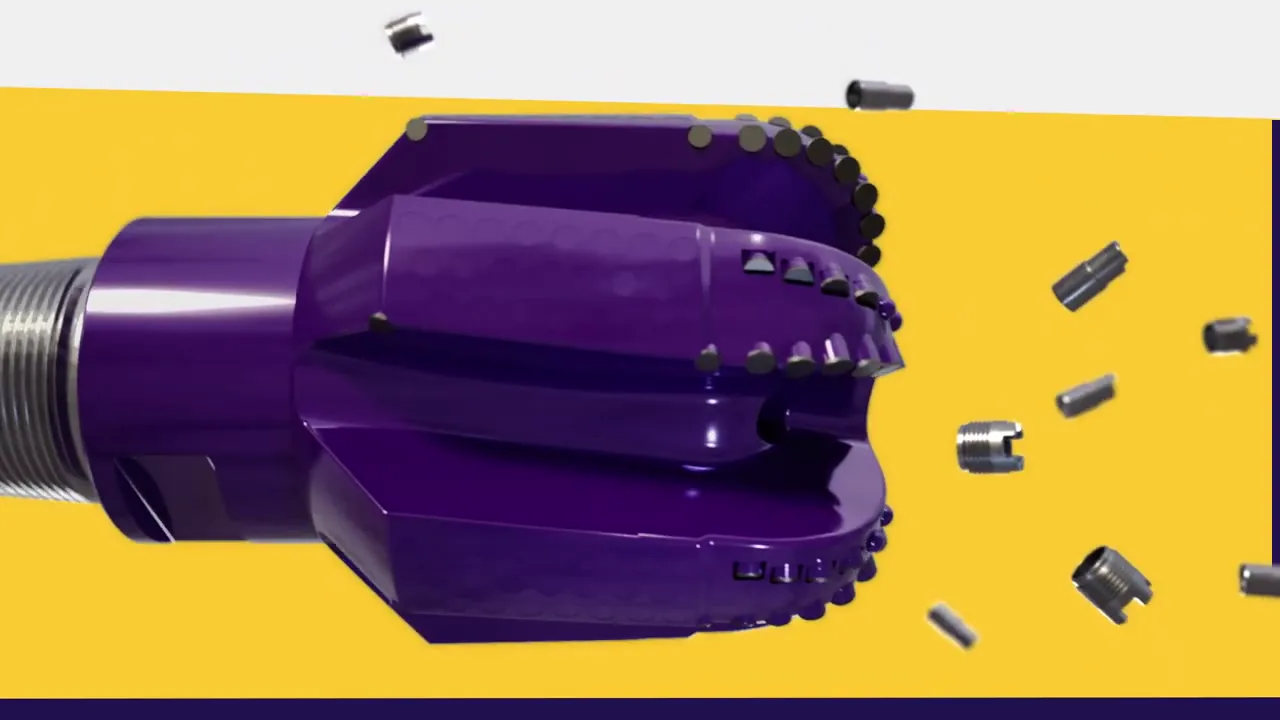

Seagull is built for projects where accuracy matters. Scientists, engineers, product leaders, operators, marketers, and executives may all need to recognize the final explanation as true.
Review works best when it is tied to the audience decision. We protect the technical substance while removing the parts that make the viewer work too hard.
Bring the material your team already uses to explain the thing, even if it is messy. The friction is useful.
We decide the medium after we know what has to become clear — never the other way around.
When motion, causality, scale, or hidden mechanisms matter to the explanation.
When real-world credibility and human context need to be present on screen.
When the audience needs to explore a product, environment, or system themselves.
When understanding must become repeatable behavior across a team.
You do not need to know whether it should become an animation, film, interactive demo, training asset, or something else. Start with what people need to understand.