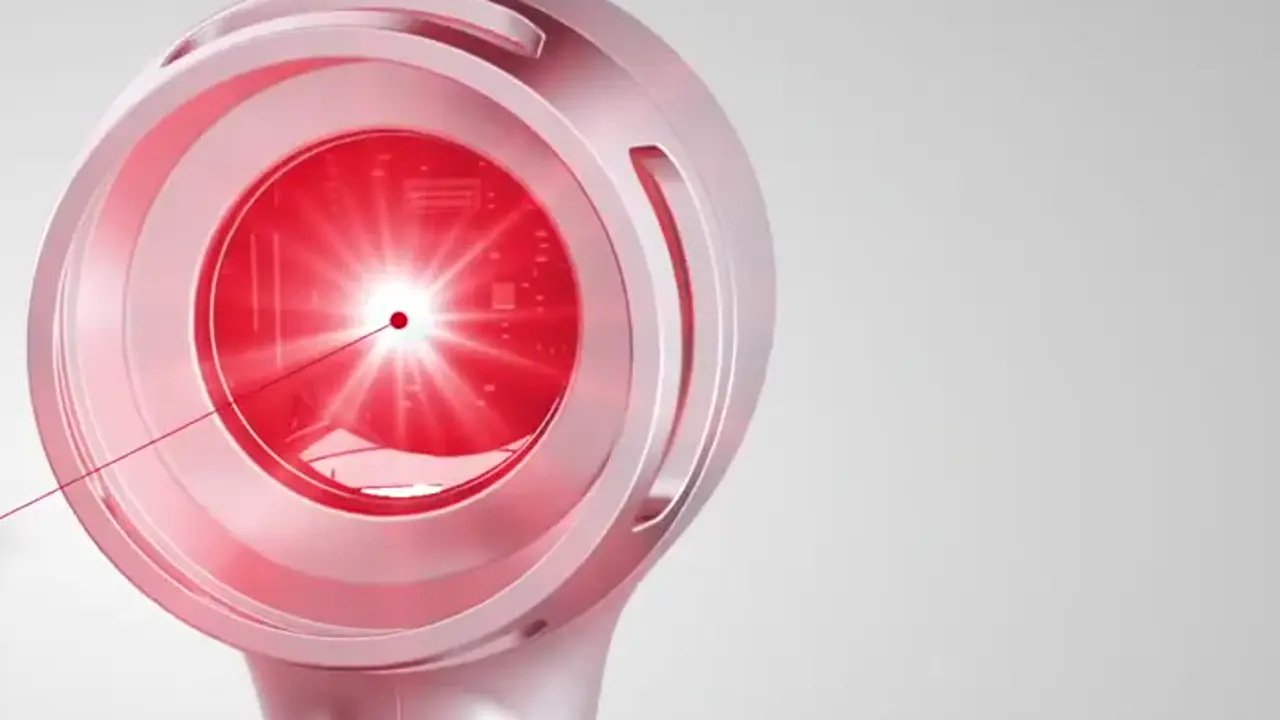
Medical Device
Show the device logic, not just the product
Device visuals can make controls, workflows, internal value, and product behavior easier to understand before the audience gets buried in specifications.

Scientific & Medical Visualization
Seagull turns mechanisms, platforms, devices, and research stories into visual explanations that respect the science and help mixed audiences understand what matters.
 Medical research visual - Siteman
 Trusted on hard-to-explain science
Biotech, academic medicine, scientific instrumentation, pharma, and medical-device teams use visual explanation when the important work happens at a scale ordinary media cannot reach.





Benefit 01
The audience may include scientists, clinicians, investors, patients, partners, and product leaders. The work is to clarify the idea for all of them without flattening it into generic biotech animation.
Device visuals can make controls, workflows, internal value, and product behavior easier to understand before the audience gets buried in specifications.
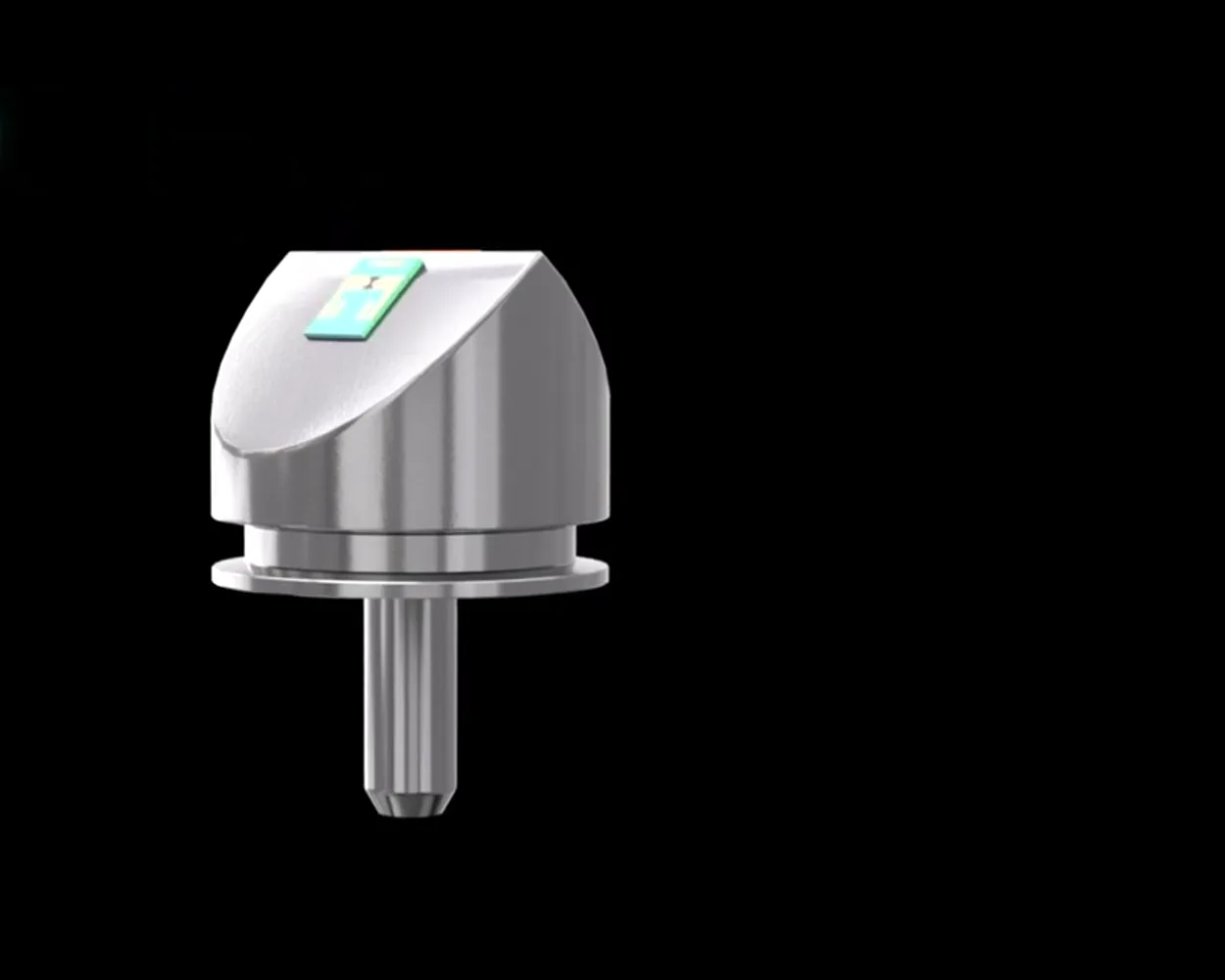
When a scientific platform spans source material, biology, delivery, and potential use cases, visual structure keeps the story coherent.
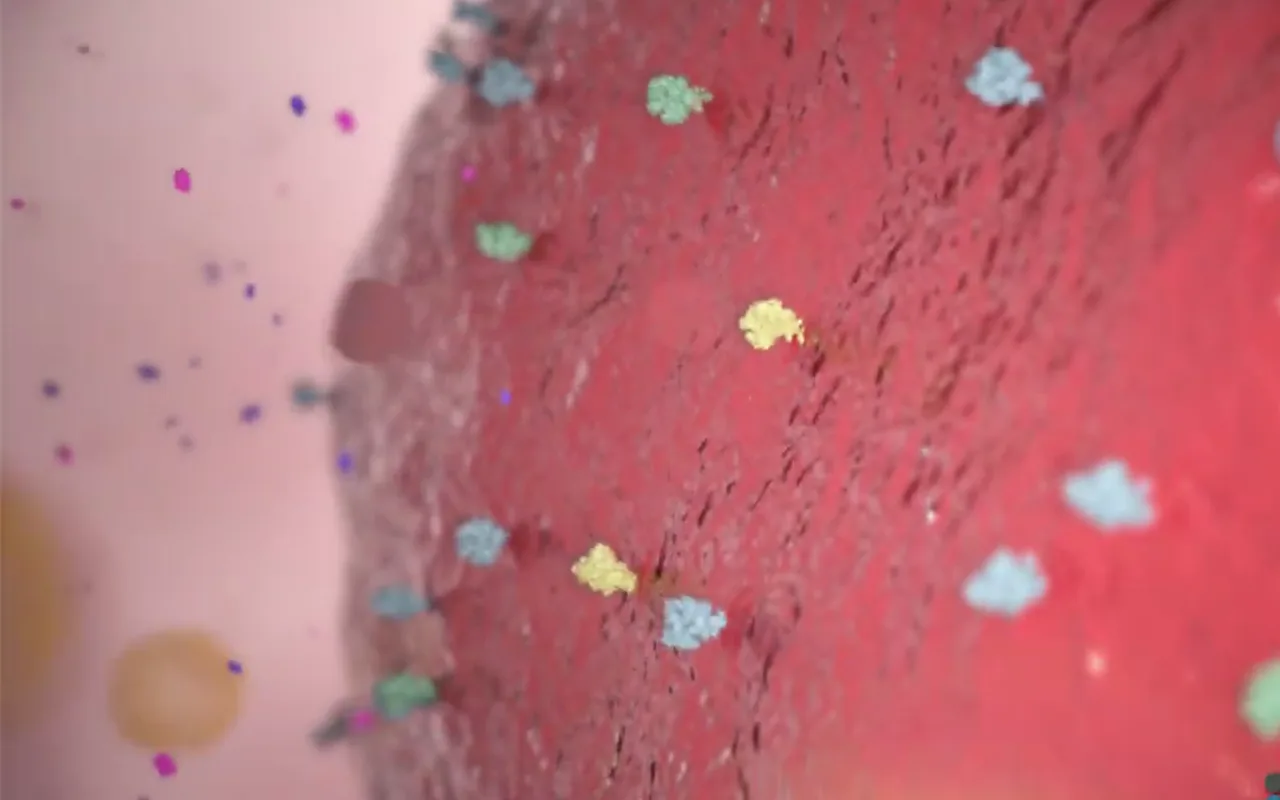
Molecular and platform stories need a visual model that lets the audience inspect relationships without turning the science into decoration.
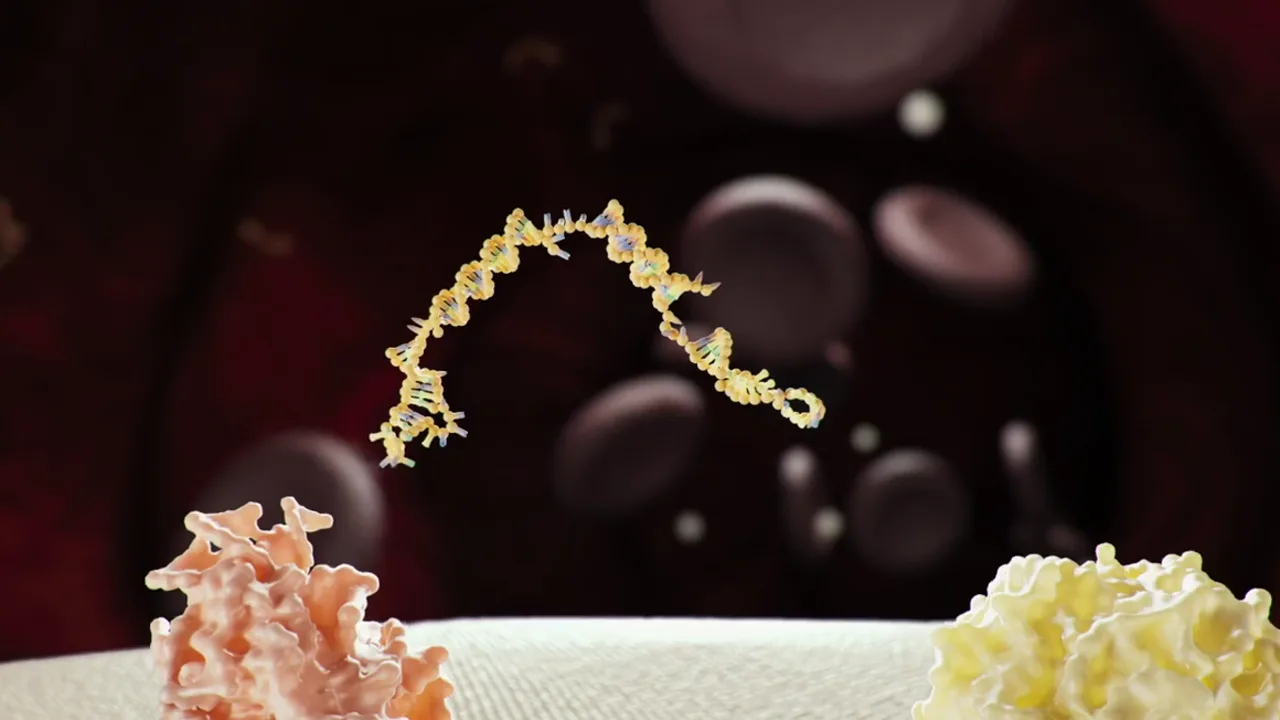 Delivery mechanism visual - Oligon
 Benefit 02
The job is not to decorate science. Seagull starts with the mechanism, source material, audience, and the decision the work has to support, then builds a visual explanation that can be reviewed and reused.
Benefit 03
A still frame can establish quality. Video can show cause, sequence, scale, and transition - the parts of a mechanism that only make sense in motion.
 Biologic process - FibroBiologics
 Where this shows up
These are the kinds of scientific, medical, and device complexity Seagull can make visible when ordinary media cannot carry the explanation.
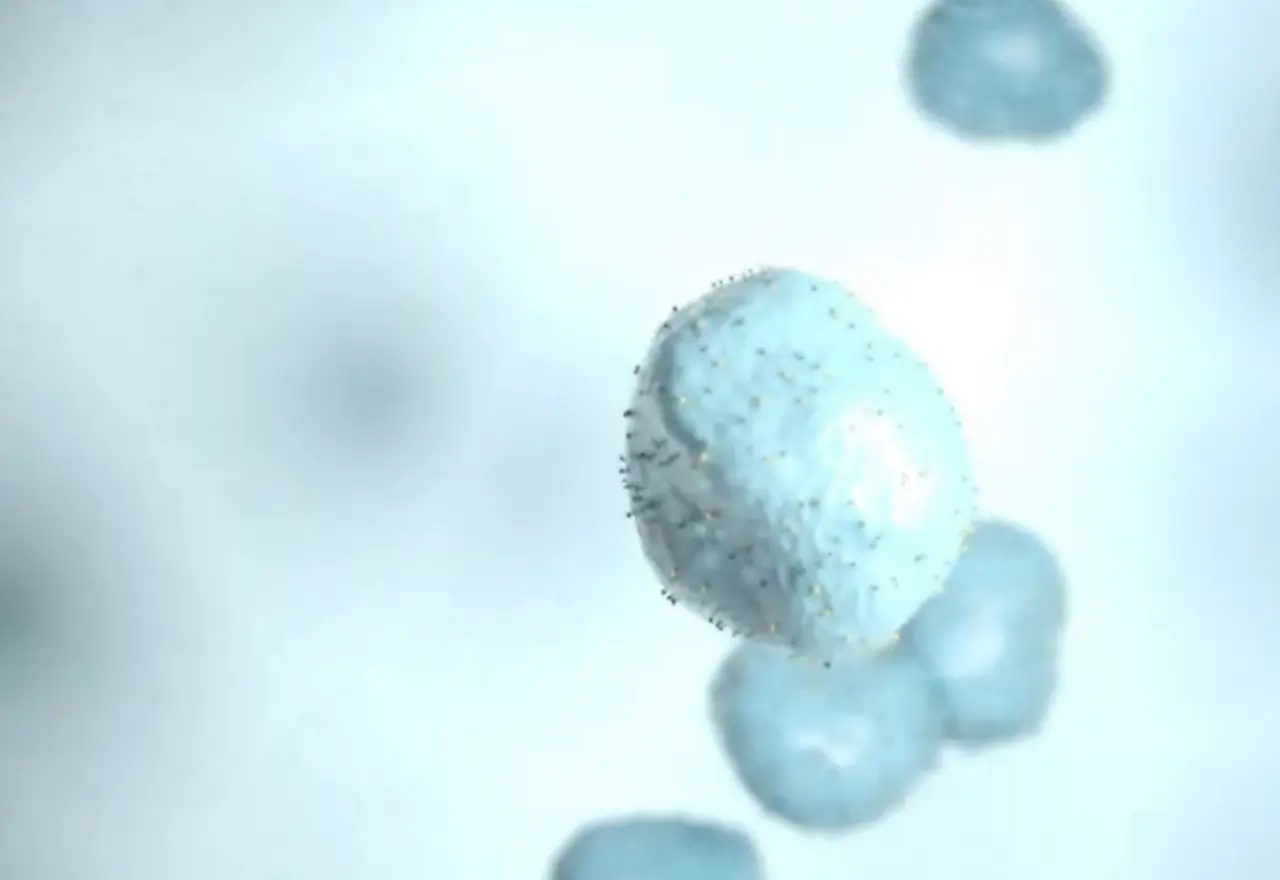
Pharma mechanism proof works when the audience can follow how cellular pathways, therapeutic rationale, and scientific context connect without getting lost.
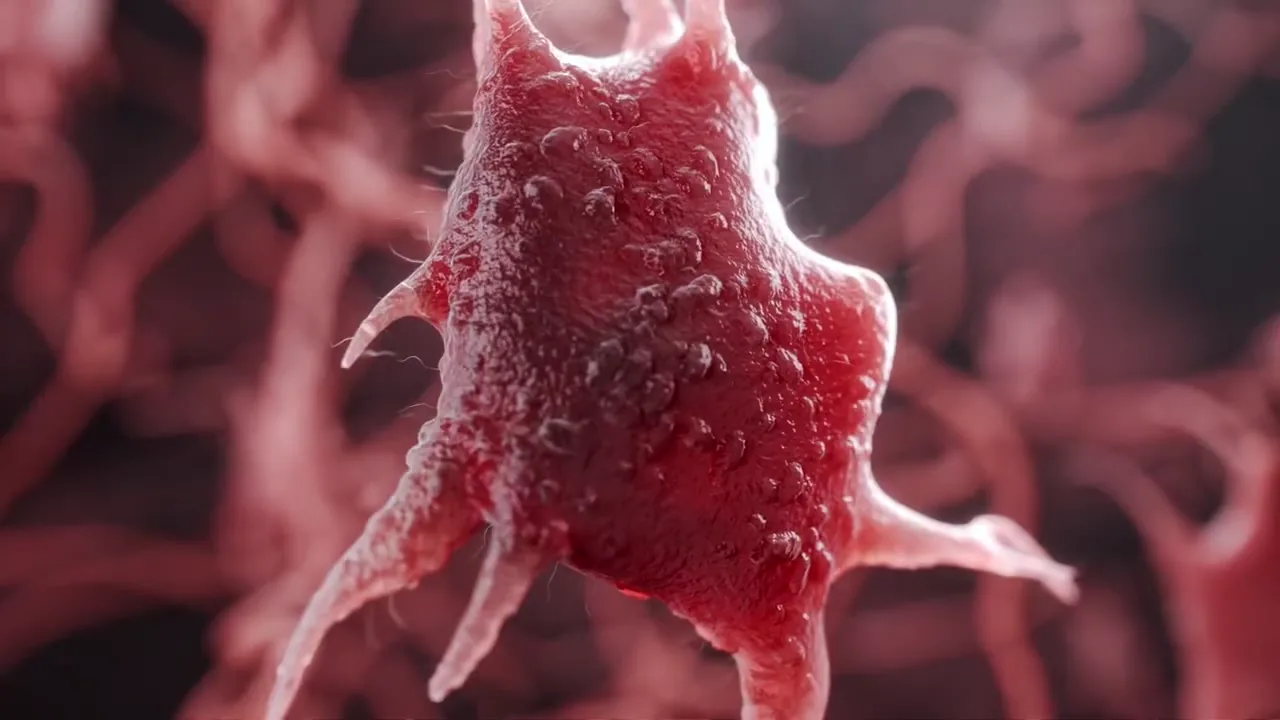
Visual structure helps a platform story move from source material to mechanism to why the audience should keep listening.
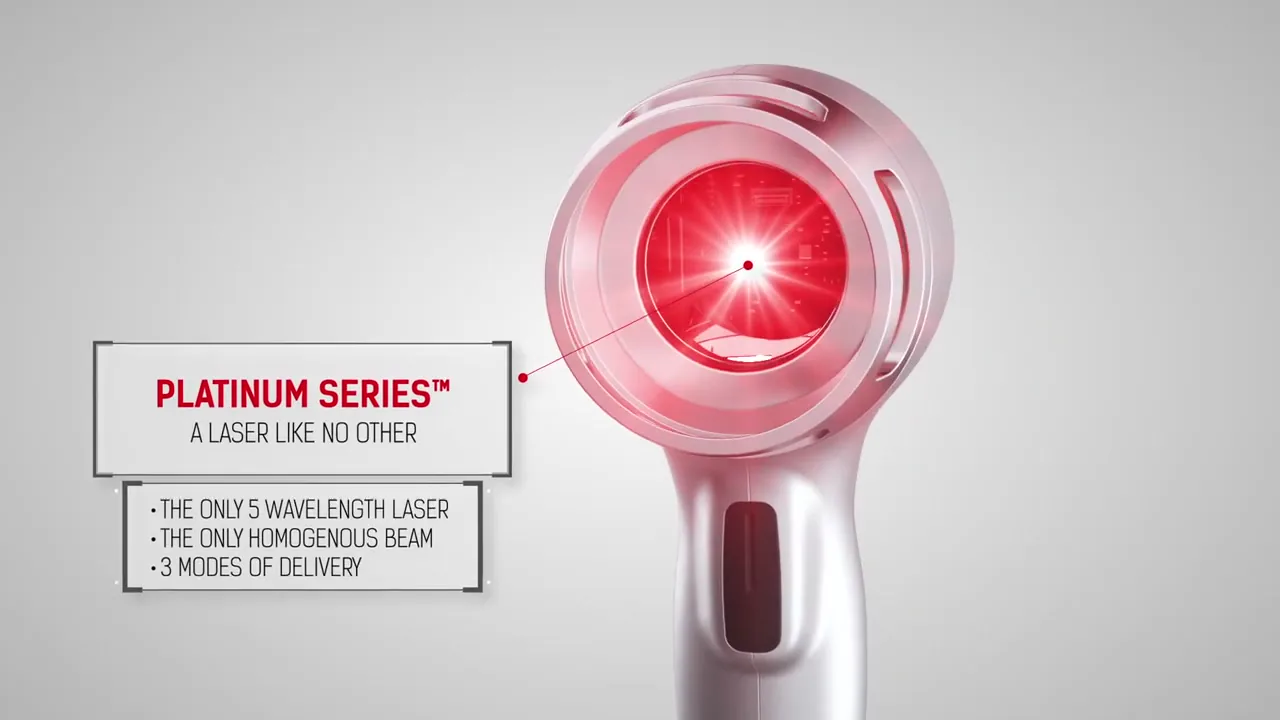
Product visuals can expose internal context that a product photo cannot show alone: behavior, workflow, and value.
Next step
You do not need to know the final format yet. Bring the mechanism, research story, device, or source material, and Seagull will help identify what needs to become visible.
What the audience needs to understand before it can trust, approve, buy, fund, adopt, or explain the work.
Which expert source material, references, and claims need to guide the visual model.
Whether the strongest output is animation, video, still visuals, or a modular asset system.