
When hidden mechanisms make buyers guess
A technical product can be real, valuable, and well engineered, and still be hard to buy if the important action happens somewhere no camera can see.
 The Seagull CompanyInsights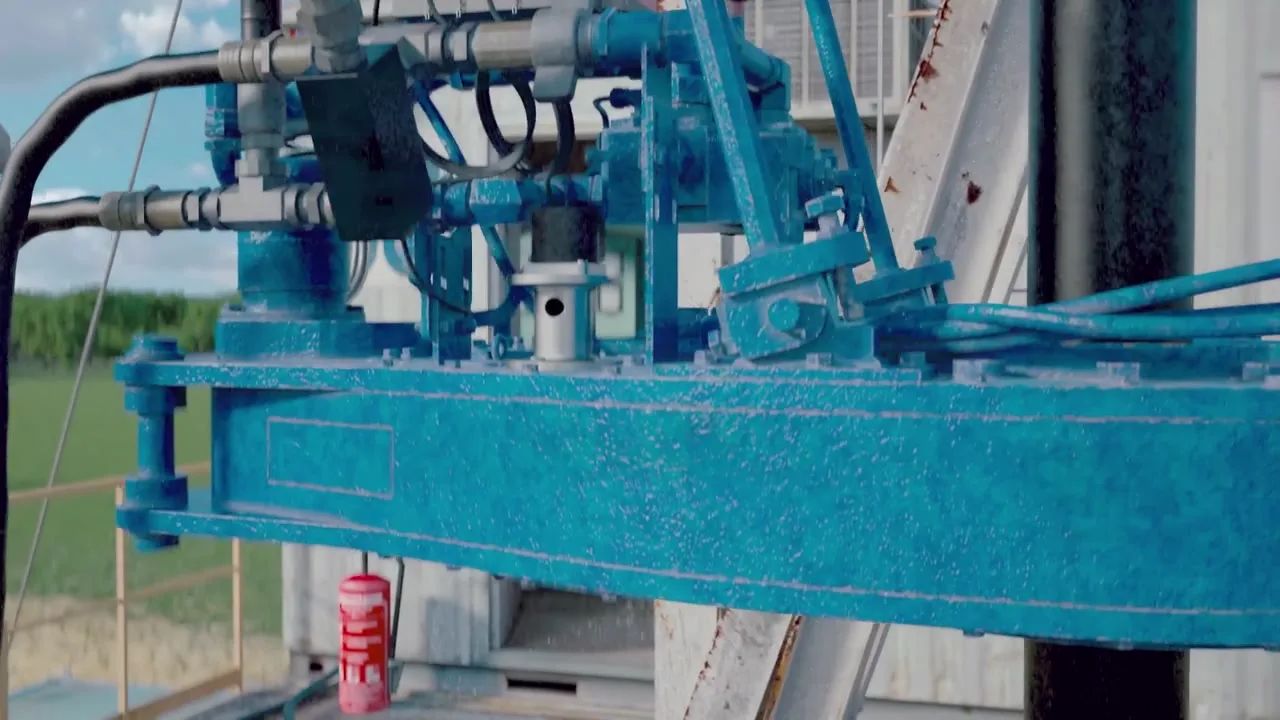
A technical product can be real, valuable, and well engineered, and still be hard to buy if the important action happens somewhere no camera can see. That is the problem with hidden mechanisms.
In industrial, scientific, and medical products, the value often lives inside the tool, inside the body, inside a controller, below the surface, or inside a sequence that happens too fast to film clearly. The buyer sees the outside. The engineer understands the inside. The sales team is left trying to bridge the gap with slides, diagrams, and a lot of explanation.
That gap is where confusion grows.
The product may be clear to the expert and invisible to everyone else
Experts can mentally simulate what is happening. They know which part moves first, where the flow changes, what the sensor is reading, or why the mechanism matters. But buyers, investors, operators, and non-specialist stakeholders often cannot see that mental model.
When they cannot see it, they guess.
They guess how the tool works. They guess why the product is different. They guess whether the claim is credible. They guess whether the internal sequence is reliable enough to trust.
Ordinary footage only shows the outside
Video is powerful when the important evidence is visible. But many technical products do not fail because teams lack footage. They fail because the footage cannot reach the important part.
A camera can show the product housing. It can show a person holding the device. It can show a field site or a lab bench. But it cannot always show the internal flow, the hidden contact point, the molecular interaction, the downhole sequence, or the cause-and-effect relationship that makes the product valuable.
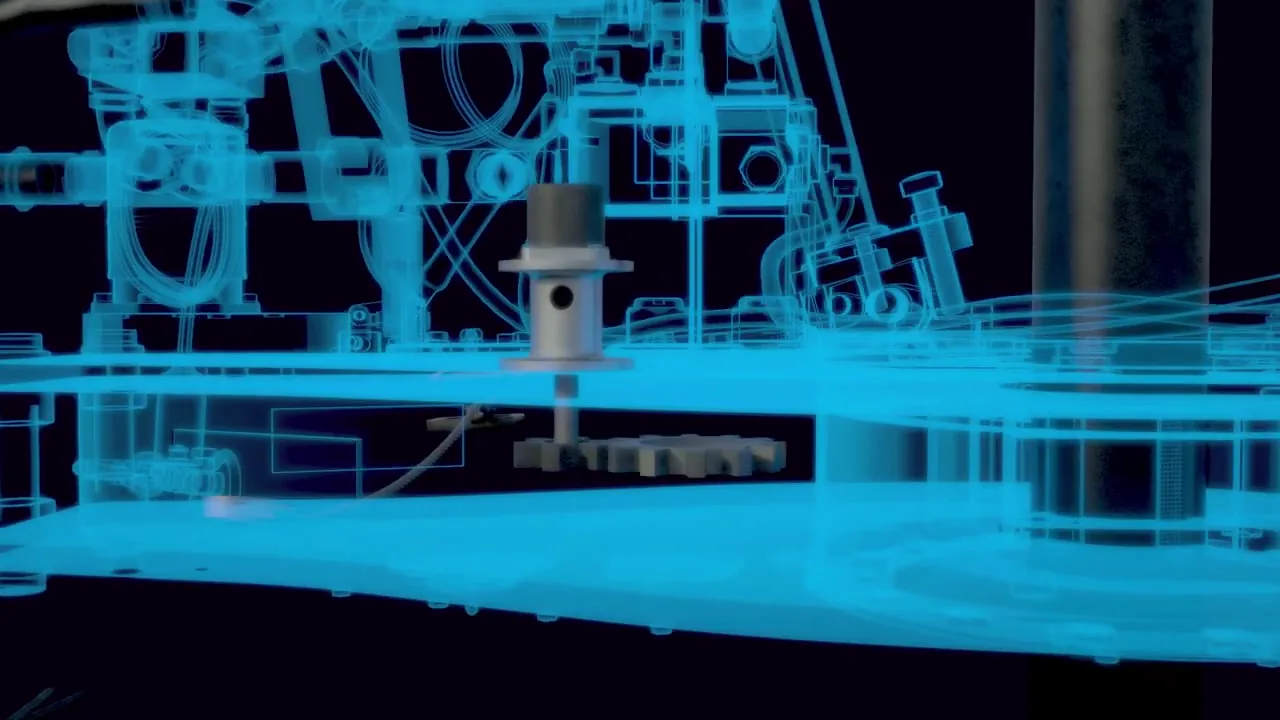
When the mechanism is hidden, more footage does not necessarily create more clarity.
Visual proof gives the buyer something to inspect
A strong technical animation does not decorate the product. It exposes the logic.
It can slow down the critical moment, cut through the housing, show the field condition at scale, isolate the internal sequence, and connect the visible product to the invisible value. The goal is not to make something look impressive for its own sake. The goal is to make the explanation inspectable.
That matters because buyers do not only need to be interested. They need to understand enough to trust the next step.
One clear visual can align the whole team
The same visual can help a sales conversation, an investor meeting, a product launch, a training session, or a technical review. When everyone points to the same explanation, the story gets more consistent.
- Sales stops improvising the mechanism.
- Product stops re-explaining the same internal logic.
- Marketing stops trying to make abstract value sound concrete with words alone.
- Buyers stop guessing what the product is doing.
That is why hidden mechanisms are often the best place to use technical visualization first.
Bring us the part people do not understand yet. We will help make it clear.
The question to ask
If people hesitate because they cannot see what matters, the problem may not be the product. It may be the proof.
Bring us the part people do not understand yet. We will help make it clear.